
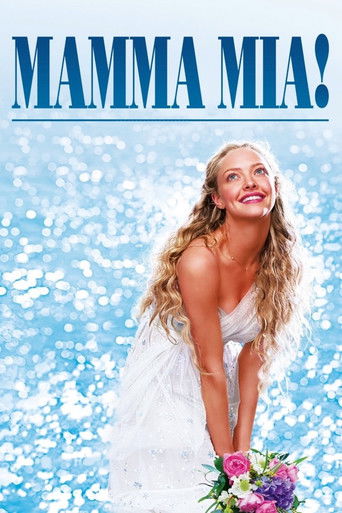
 Mamma Mia!2008 · 7.0
MovieTube
120 movies and 58 TV series on twelve lines. Choose a line and ride it to the end.
Route map
Departures: top rated
Comedy line
Whole line (69)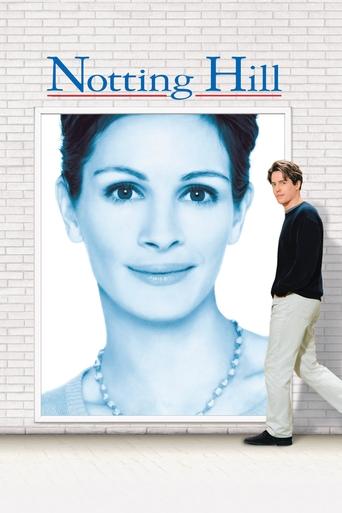
Sitcom line
Whole line (41)





Drama line
Whole line (76)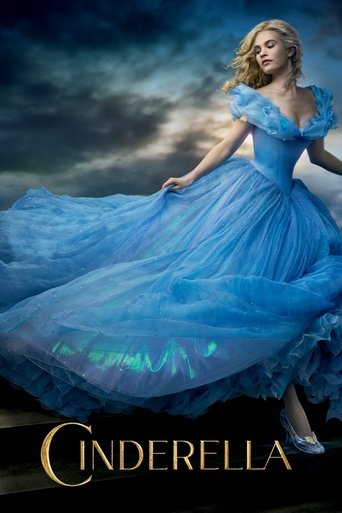


Period line
Whole line (42)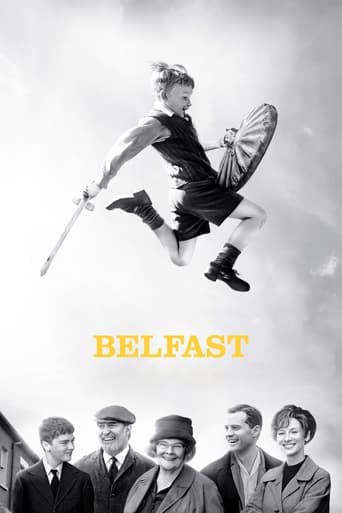

Family line
Whole line (30)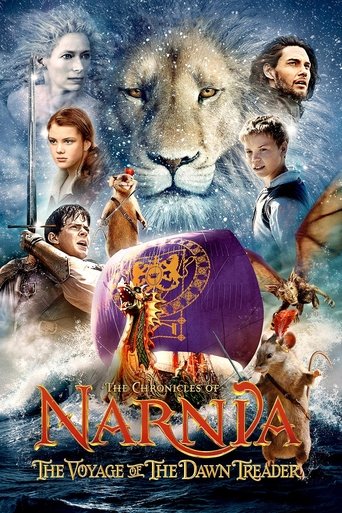




Romance line
Whole line (48)



Classic line
Whole line (25)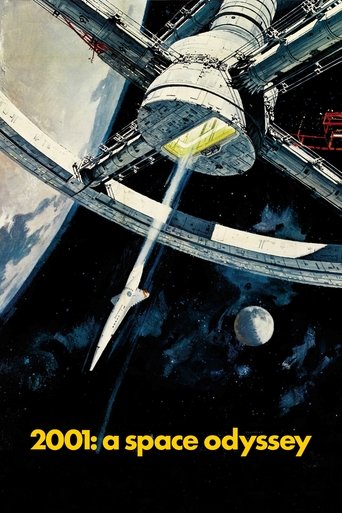
The MovieTube guide to British movies and TV
MovieTube: British and Irish movies and TV, from Paddington, Notting Hill and Sing Street to Fawlty Towers, Derry Girls and Pride and Prejudice
British film and television have a flavour that travels. It is there in a bear who raises his hat to strangers, in a hotel owner who thrashes his broken-down car with a branch, in a heroine who walks three miles across muddy fields to visit her sick sister. MovieTube is a guide to that flavour. It gathers 120 movies made in Britain and Ireland between 1945 and today, the work of 109 directors and some 210 hours of viewing, and 58 television series with 153 seasons and 1,129 episodes, and it lays them out like a transit map, on twelve coloured lines.
The idea behind the map is simple. A visitor who enjoys one costume drama usually wants another, and a visitor who has just discovered a great sitcom wants to know what else is on the same route. So each line is a kind of story: Comedy, Drama, Romance and Family for the movies, Sitcom and Serial for television, and Period, True story, Music, Sport, London and Classic lines that cross both. The titles are the stops. Many stand on two or three lines at once, as good interchange stations do.
This guide rides each line in turn. It begins with how the site works, then travels through film comedy, the sitcoms, period drama, the family films and the rest, and ends with questions and answers. For the practical steps alone, see the short page on how to watch with MovieTube.
How MovieTube works
The home page opens with the route map, a panel of twelve lines. Each has its own colour, a station ring and a count of stops: the Comedy line in yellow with sixty-nine, the Drama line in red with seventy-six, the Sitcom line in blue with forty-one, and so on down to the Sport line with twelve. Pressing a line opens its full list.
Below the map is the departures board, a navy panel in yellow type that lists the eight highest-rated titles in the catalogue with their year, their kind and their score. Rows of posters follow, one for each of the busiest lines, with a coloured bar under each heading to match the map. Every poster shows the title, the year and the rating.
A title page gives the summary, the running time or the count of episodes, the cast with the parts they play, the director or creators, and for a television series a complete list of episodes with dates. The Watch now button sits beside a country selector, with the United Kingdom and Ireland at the top of the list. Choose a country, press the button, and JustWatch opens with the subscription, rental, purchase and free services that carry the title there. The page on finding titles covers every route, and My List explains the travel card of saved titles.
The Comedy line
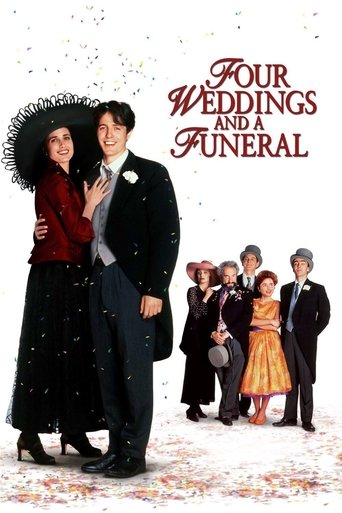
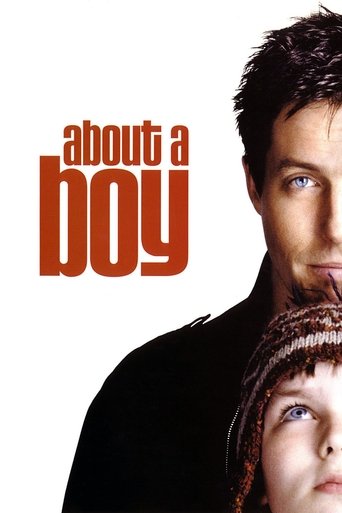
Sixty-nine movies stand on the Comedy line, and its busiest stretch runs through the 1990s. Four Weddings and a Funeral, written by Richard Curtis and directed by Mike Newell in 1994, follows a circle of friends through five ceremonies and made Hugh Grant an international star on the strength of one stammered declaration in the rain. Five years later Curtis wrote Notting Hill, directed by Roger Michell, in which a travel bookseller spills orange juice on the most famous actress in the world and, to his astonishment, sees her again. About a Boy, from the novel by Nick Hornby, completed the run in 2002 with Grant as an idle bachelor befriended by a twelve-year-old.
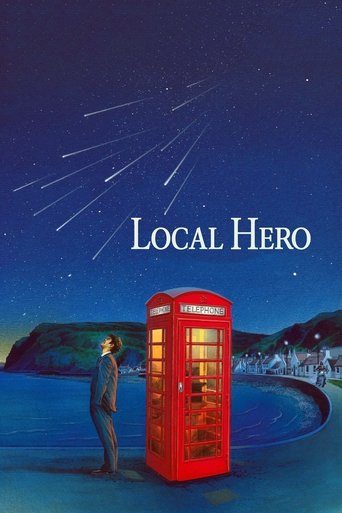
An older tradition lies further up the line. The Man in the White Suit, made at Ealing Studios in 1951, stars Alec Guinness as a mild chemist who invents a cloth that stays clean for ever, and discovers that mill owners and trade unions alike would rather it had stayed in the laboratory. Bill Forsyth carried that gentle, sceptical spirit to Scotland. His Gregory's Girl of 1980 is about a gangling schoolboy who loses his place in the football team to a girl and promptly falls for her, and his Local Hero of 1983 sends an American oil man to buy a fishing village whose inhabitants turn out to be shrewder than his employers.
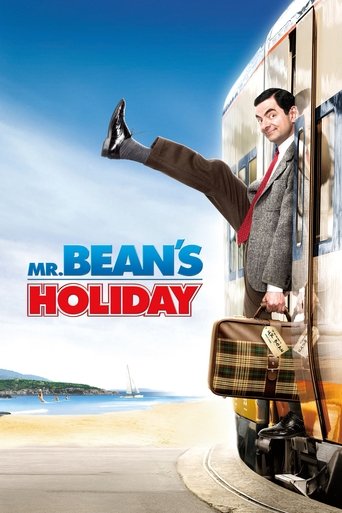
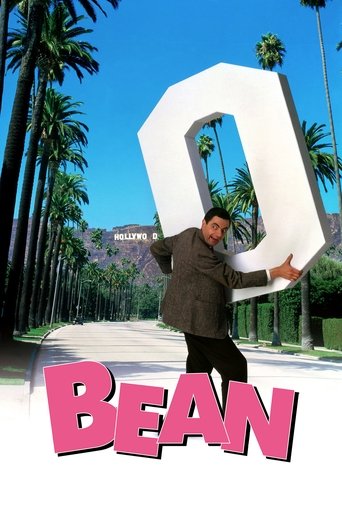
Rowan Atkinson supplies comedy that needs hardly a word. Bean ships his disaster-prone character to Los Angeles in charge of a priceless painting, and Mr. Bean's Holiday sends him across France to the beach at Cannes with a video camera. Among the newer stops, The Duke tells the true story of a Newcastle pensioner accused of taking a Goya portrait from the National Gallery in 1961, with Jim Broadbent and Helen Mirren; The Phantom of the Open follows a shipyard crane driver who entered golf's Open Championship in 1976 with barely a round behind him; and Frequently Asked Questions About Time Travel traps three friends in a pub with a hole in time.
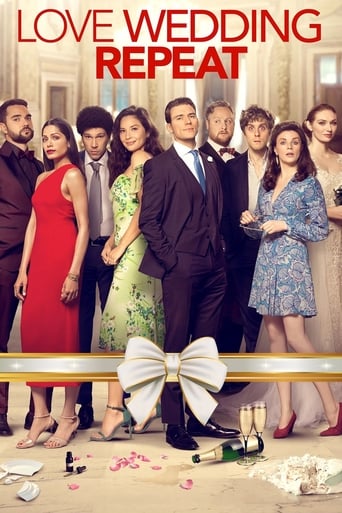
The line has romantic branches as well: Man Up, in which a blind date goes to the wrong woman and goes rather well; The Decoy Bride, set on a Hebridean island besieged by wedding photographers; Cuban Fury, with Nick Frost as a former child salsa champion returning to the dance floor; and Love Wedding Repeat. The Comedy line page picks out the main stops.
The Sitcom line
Forty-one television comedies make the Sitcom line the pride of the map, and its first stop is the most famous of all. Fawlty Towers, rated 8.3, ran for just twelve episodes in 1975 and 1979. John Cleese plays Basil Fawlty, proprietor of a small hotel on the English Riviera, a man at war with his guests, his builders and above all his wife Sybil, played by Prunella Scales. Each episode is plotted like a farce, with a small lie in the first minutes growing into catastrophe by the last.
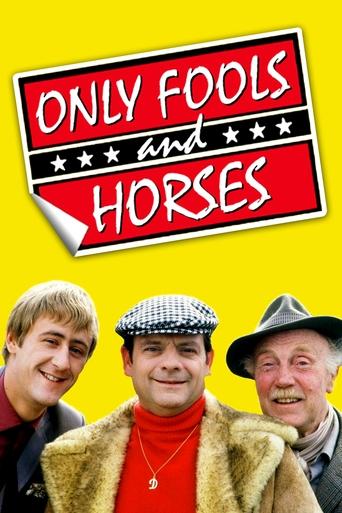
Only Fools and Horses, rated 8.1, follows the Trotter brothers of Peckham, market traders with a three-wheeled van and an unshakeable belief that this time next year they will be millionaires. David Jason, who plays Del Boy, appears again as the put-upon errand boy Granville in Open All Hours, opposite Ronnie Barker as a penny-pinching corner shopkeeper. The Good Life, from the same golden stretch of the 1970s, has a suburban couple give up the office to grow vegetables and keep pigs in their back garden, to the horror of the neighbours.
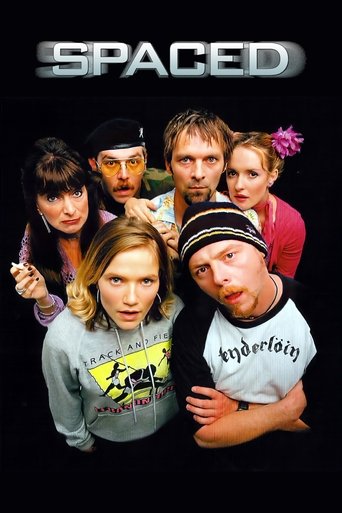
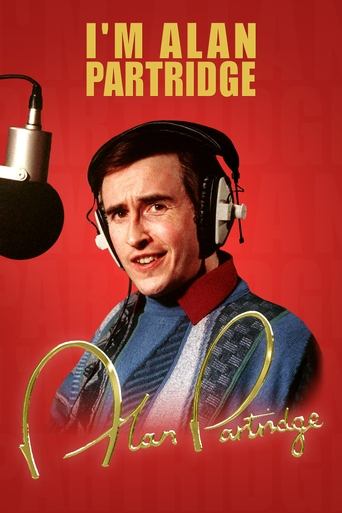
The 1990s stops include Mr. Bean, whose fourteen episodes have been shown in almost every country on earth; Keeping Up Appearances, with Patricia Routledge as the social climber Hyacinth Bucket, who insists the name is pronounced Bouquet; Jeeves and Wooster, rated 8.1, with Hugh Laurie as the amiable Bertie and Stephen Fry as the valet who rescues him; I'm Alan Partridge, with Steve Coogan as a fallen broadcaster living in a roadside hotel near Norwich; and Spaced, rated 7.9, in which two strangers pose as a couple to rent a flat.
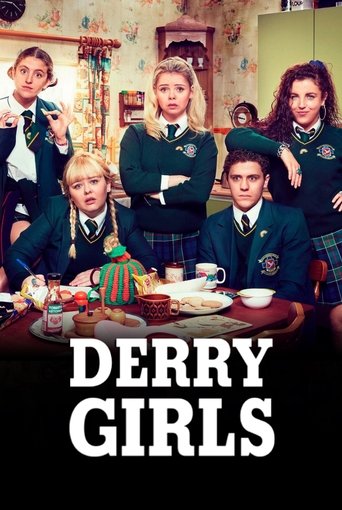
The newer stretch is just as strong. The IT Crowd, rated 8.2, is set in the basement of a London corporation, where two technicians and their manager, who knows little about computers, answer every call by asking whether the machine has been switched off and on again. Detectorists, also 8.2, written and directed by Mackenzie Crook, follows two friends who spend their weekends sweeping the fields of East Anglia with metal detectors; it is the quietest comedy on the map and among the most loved. Derry Girls, rated 8.1, Friday Night Dinner, Miranda, Gavin & Stacey and Motherland bring the line up to the present. The Sitcom line page has more.
The northern and Celtic branches
The Sitcom line has branches well away from London. In the north of England, The Royle Family hardly leaves a Manchester living room, where a family watches television, bickers and loves one another, in episodes that unfold almost in real time. Peter Kay created Phoenix Nights, set in a Bolton social club run by a proprietor with boundless schemes, and Peter Kay's Car Share, in which two supermarket colleagues share the drive to work and a taste in radio stations. Auf Wiedersehen, Pet, from 1983, follows a gang of British bricklayers working on a building site in Germany, and remains one of the best-written comedy dramas of its decade.
Scotland contributes Still Game, rated 8.4 by its devoted audience, nine series and 58 episodes about two Glasgow pensioners, Jack and Victor, and their neighbours. Wales shares Gavin & Stacey with Essex, and Ireland has Moone Boy, in which Chris O'Dowd plays the imaginary friend of a twelve-year-old growing up in a small western town, and Derry Girls, set across the border in the 1990s.
A few stops are comedies about work. W1A casts Hugh Bonneville as the new Head of Values at the national broadcaster, drowning in meetings. Upstart Crow imagines William Shakespeare, played by David Mitchell, commuting between Stratford and London and complaining about the coach service. Whites is set in the kitchen of a country-house hotel, The Goes Wrong Show stages a new disastrous play each week, and Trying, forty episodes about a London couple hoping to adopt, is the warmest series of recent years.
The Period line
Forty-two titles stand on the Period line, movies and television together, and it is the route for which British drama is best known abroad. Jane Austen has six stops. The 1995 serial of Pride and Prejudice, rated 8.2, remains the standard by which every later version is judged: six episodes, with Jennifer Ehle as Elizabeth Bennet and Colin Firth as Mr Darcy. Northanger Abbey gives an early leading part to Felicity Jones, Persuasion and Love & Friendship are recent films, Sanditon completes the novel Austen left unfinished, and Lost in Austen sends a modern Londoner through a door in her bathroom into the Bennet household.
Charles Dickens is as well served. Bleak House, rated 8.0, was broadcast in fifteen fast-moving episodes in 2005 with Anna Maxwell Martin and Gillian Anderson. David Copperfield of 1999 features a ten-year-old Daniel Radcliffe in the title part, two years before he went to Hogwarts, and The Personal History of David Copperfield retells the same novel as a bright comedy with Dev Patel. Great Expectations, Nicholas Nickleby and Dickensian, which places characters from a dozen of the novels in one London street, complete the shelf.
The Victorian novel continues with North & South, rated 8.1, in which a clergyman's daughter from the south moves to a northern mill town and meets a proud manufacturer played by Richard Armitage; Cranford, also 8.1, with Judi Dench and Eileen Atkins among the ladies of a Cheshire town alarmed by the coming of the railway; Jane Eyre, Vanity Fair, Daniel Deronda and Far from the Madding Crowd. The Go-Between, from 1971, with a screenplay by Harold Pinter, is the finest film on the line: in the hot summer of 1900 a schoolboy carries letters between the daughter of a Norfolk country house and a tenant farmer, and only half understands what he is doing.
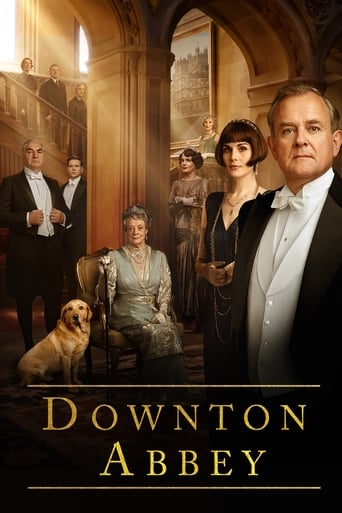
The great house itself is the subject of the two Downton Abbey films, Downton Abbey and Downton Abbey: A New Era, and royalty of Victoria and A Royal Night Out. The Period line page lists the main stops by author.
The Family line
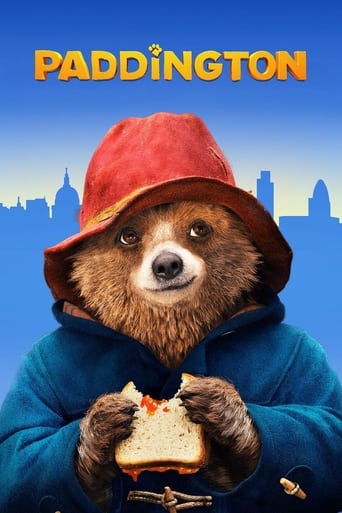
Thirty movies for all ages stand on the green Family line. Paddington, from 2014, is its heart: a young bear from Peru arrives in London with a battered hat and a suitcase of marmalade, and is taken in by the Brown family of Windsor Gardens. Ben Whishaw gives the bear his voice, Hugh Bonneville plays the cautious Mr Brown, and Paddington in Peru continues the story ten years on. Roald Dahl's The BFG and Philip Pullman's The Golden Compass bring two more giants of the children's bookshelf to the screen, and The Chronicles of Narnia: The Voyage of the Dawn Treader sails to the eastern edge of C. S. Lewis's world.
The older children's classics have been filmed with care. The Secret Garden of 1993, rated 7.4, follows an orphan sent to a Yorkshire manor who finds a locked garden and a hidden cousin. Black Beauty tells the horse's story in his own voice. The Borrowers are a family a few inches tall who live beneath the floorboards, Five Children and It gives a group of wartime evacuees a grumpy sand fairy who grants wishes, and Ballet Shoes follows three adopted sisters, one of them played by Emma Watson, into stage school in the 1930s.
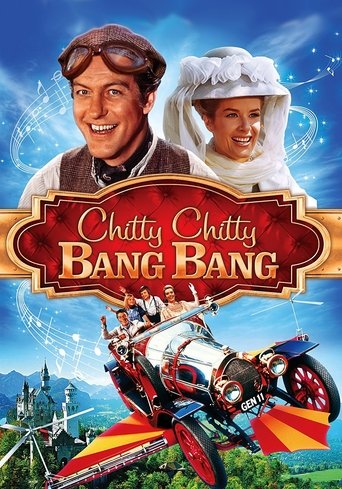
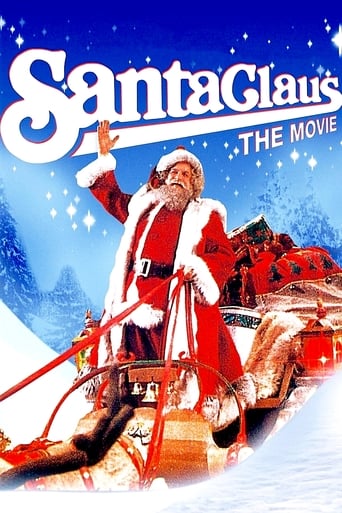
Two films from 1968 and 1985 show the British studios at full stretch. Chitty Chitty Bang Bang, from a story by Ian Fleming, stars Dick Van Dyke as an inventor whose rebuilt racing car learns to float and fly. Santa Claus: The Movie built the North Pole on a soundstage, with Dudley Moore as an elf with ambitions. Lassie of 2005 returns the famous collie to the Yorkshire of the original novel, Born Free follows a lioness raised by a couple in Kenya, and Nativity! is the story of a primary-school teacher who rashly promises that Hollywood is coming to see the school play. See the Family line page.
The Serial line
Seventeen television dramas run on the purple Serial line. Beside the literary adaptations stand two series of country life that share a name. All Creatures Great and Small of 1978 is the longest series on the map, 87 episodes drawn from the memoirs of a Yorkshire vet, and All Creatures Great & Small of 2020, rated 8.2, tells the same stories for a new generation, with the Dales looking greener than ever. Both follow young James Herriot from his first interview in 1937 through calvings, village shows and the moods of his employer, Siegfried Farnon.
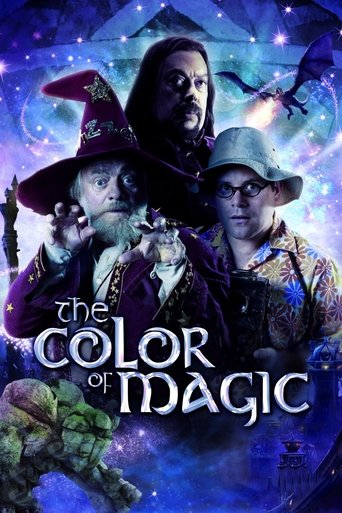
Adventure and fantasy have their own stops. Merlin, rated 7.8, runs for 65 episodes and imagines the wizard as a young servant at Camelot, hiding his magic while he protects a prince who has yet to become a legend. The Storyteller: Greek Myths, rated 8.2, comes from the workshop of Jim Henson, with Michael Gambon telling four ancient tales to his dog in the ruins of a labyrinth. Gulliver's Travels of 1996 covers all four voyages of the novel, The Colour of Magic films two of Terry Pratchett's Discworld books, and Space: 1999, made in 1975, sends the moon and its base hurtling out of orbit across 48 episodes.
The remaining stops are varied: The Paradise, set in a Victorian department store; The English Game, on the birth of professional football; A Gentleman in Moscow, with Ewan McGregor as a count confined to a grand hotel for decades; and Free Rein, rated 7.9, about a girl from Los Angeles who spends a summer on an island off the English coast and bonds with a horse that will let only her near.
The Drama line
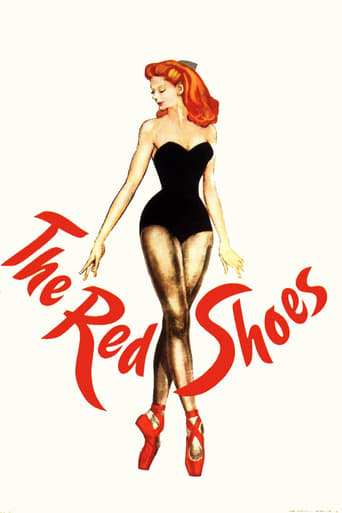
Seventy-six movies stand on the red Drama line, more than on any other. Its landmark is The Red Shoes, made in 1948 by Michael Powell and Emeric Pressburger and rated 8.0. A young dancer, played by Moira Shearer, is torn between the composer she loves and the impresario who can make her great, and the ballet at the centre of the film, seventeen minutes long and bursting with colour, changed what cinema thought it could do with dance. The same partnership made I Know Where I'm Going! three years earlier: a headstrong young woman sets out for a Hebridean island to marry a rich man, is held on the neighbouring shore by a gale, and discovers that she was less sure of her destination than she believed.
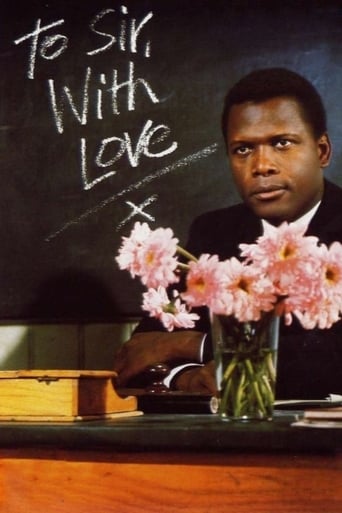
Childhood is a recurring subject. Belfast, Kenneth Branagh's memory of the street where he was born, sees the upheaval of 1969 through the eyes of a nine-year-old who cares mostly about the cinema and a girl in his class. Dear Frankie, rated 7.1, is a small Scottish treasure: a mother who has long written letters to her deaf son in the name of his absent seafaring father hires a stranger to play the part for a day. To Sir, with Love, from 1967, stars Sidney Poitier as an engineer who takes a teaching job in the East End of London and wins over a class the school has given up on.
Later life is treated just as seriously. In Another Year, directed by Mike Leigh, a contented couple tend their allotment through four seasons while friends drift in and out of their kitchen. Hope Gap examines the end of a long marriage on the Sussex coast, with Annette Bening and Bill Nighy, and The Lady in the Van is Alan Bennett's account of the woman, played by Maggie Smith, who parked in his driveway in north London and stayed for fifteen years. The Bookshop, set in a Suffolk harbour town in 1959, Foster and Goodbye June, the first film directed by Kate Winslet, are further stops. The Drama line page suggests an order.
The Romance line
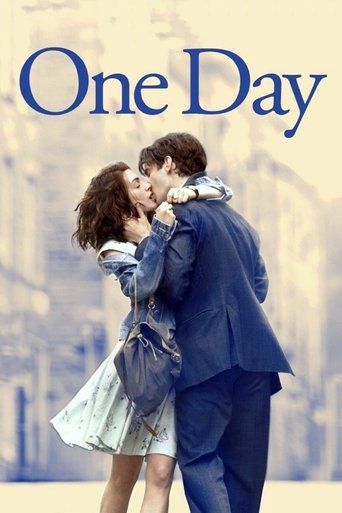
The pink Romance line has forty-eight stops. The modern ones cluster in London: Notting Hill, Man Up, The Wedding Date and One Day, which visits two friends on the same date, the fifteenth of July, for twenty years. What's Love Got to Do with It? follows a documentary maker, played by Lily James, as she films her neighbour's journey towards an arranged marriage, and Upgraded moves a young American art assistant into the London auction world on the strength of a small untruth. How to Date Billy Walsh, Picture This and Your Christmas or Mine?, in which two students each board the wrong train to surprise the other, are light recent arrivals.
The costume romances travel further. Bright Star, directed by Jane Campion, tells of the poet John Keats and Fanny Brawne, the girl next door in Hampstead, with Ben Whishaw and Abbie Cornish. Far from the Madding Crowd gives Carey Mulligan's farmer three suitors in Thomas Hardy's Dorset. Easy Virtue drops a glamorous American racing driver, the new wife of the son of the house, into a chilly English family of the 1920s. Summertime, directed by David Lean in 1955, follows a secretary from Ohio, played by Katharine Hepburn, on the holiday of her life in Venice.
Three films mix love with a change of scene: The Second Best Exotic Marigold Hotel, set among British retirees in Jaipur; Made in Italy, in which a father and son restore a villa in Tuscany; and Bride & Prejudice, Gurinder Chadha's joyful transfer of Jane Austen to Amritsar, complete with songs. The Romance line page has a short tour.
The True story line
Twenty-three titles are drawn from real lives, and the British film has a particular affection for the determined amateur. Eddie the Eagle became a national hero by finishing last in the ski jump at the 1988 Winter Olympics. The golfer of The Phantom of the Open recorded the highest score in the history of the championship and returned under false names to try again. The Lost King tells how Philippa Langley, an office worker from Edinburgh played by Sally Hawkins, led the search that found the remains of Richard III beneath a Leicester car park in 2012.
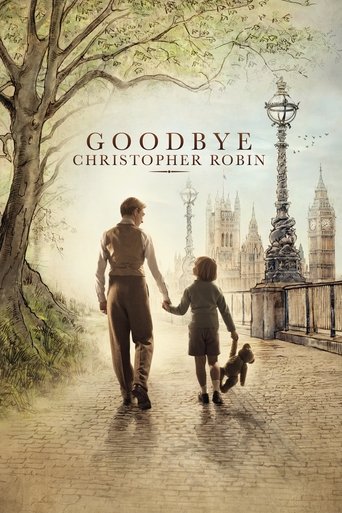
Artists and writers fill another stretch of the line. Miss Potter stars Renée Zellweger as the creator of Peter Rabbit, The Electrical Life of Louis Wain casts Benedict Cumberbatch as the Victorian illustrator whose cats charmed the nation, and Goodbye Christopher Robin looks at A. A. Milne and his son. Effie Gray, written by Emma Thompson, concerns the young wife of the critic John Ruskin; All Is True imagines Shakespeare's retirement to Stratford; and 84 Charing Cross Road, rated 7.2, traces twenty years of letters between a New York writer, played by Anne Bancroft, and a London bookseller, played by Anthony Hopkins, who come to know each other entirely by post.
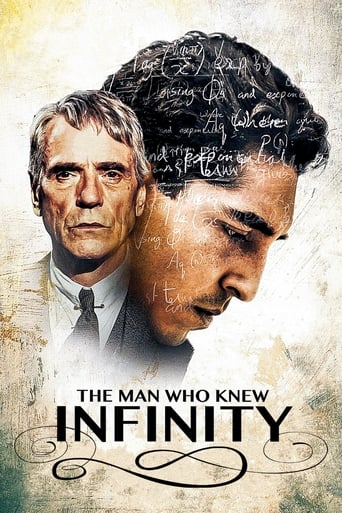
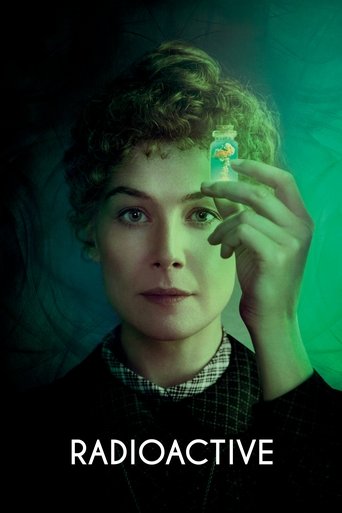
Science and entertainment close the line. Hawking gave Benedict Cumberbatch an early leading part as the young physicist at Cambridge, Radioactive follows Marie Curie, and The Man Who Knew Infinity brings the mathematician Ramanujan from Madras to Trinity College. Stan & Ollie is a tender portrait of Laurel and Hardy on a late tour of British theatres, and An Adventure in Space and Time, rated 7.7, recreates the birth of a famous science-fiction series at the BBC in 1963, with David Bradley as its first leading man. See the True story line page.
The Music line
Seventeen titles stand on the orange Music line. Sing Street, rated 7.9, is the best of them: Dublin in 1985, a boy, a girl, and a school band formed to impress her. Its director, John Carney, returns with Flora and Son, about a young mother who takes up the guitar. In England the tradition is the working band. Brassed Off follows a Yorkshire colliery band to the national finals while the pit itself is threatened with closure, and Pete Postlethwaite's speech from the stage of the Royal Albert Hall is one of the great moments of 1990s British cinema. Fisherman's Friends finds ten Cornish fishermen singing sea shanties on the harbour wall and takes them into the album charts.
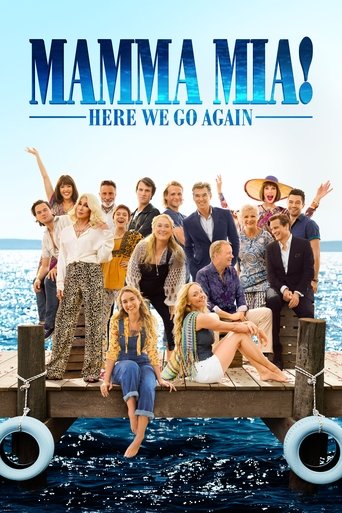
Dance has three stops beyond The Red Shoes: the London crews of StreetDance 3D and StreetDance 2, and the salsa of Cuban Fury. The singalongs are Mamma Mia! and Mamma Mia! Here We Go Again, both British productions directed and written by British film-makers, and Walking on Sunshine, which threads the pop hits of the 1980s through a wedding on the Italian coast. One Chance, Teen Spirit and I Used to Be Famous are stories of singers finding their moment. The Music line page gathers them.
The Sport line
The lime Sport line is the shortest on the map, with twelve stops, and football dominates it. Goal! follows a young player from the parks of Los Angeles to a trial at Newcastle United, and Goal II: Living the Dream takes him to Madrid. Fever Pitch, from Nick Hornby's memoir, is about a teacher, played by Colin Firth, whose devotion to Arsenal complicates his love life in the title-winning season of 1989. There's Only One Jimmy Grimble gives a shy Manchester schoolboy a pair of old boots that may be magic, The Beautiful Game follows an England squad to a world tournament for homeless players in Rome, and The English Game returns to the 1870s.
The other sports each have a stop or two. Wimbledon is a romance on Centre Court, Chalet Girl takes a former skateboard champion, played by Felicity Jones, to the snowboard slopes of the Alps, and Zero Chill moves a family of skaters from Canada to an English ice rink. The Sport line page lists all twelve.
The London line
Twenty-nine titles are set in the capital, enough for a line of their own, drawn in navy. It can be travelled by district. In the west, the market street of Notting Hill and the tall white terraces of Paddington. In the north, the Camden crescent of The Lady in the Van, the old football ground of Fever Pitch, the Hampstead of Bright Star and the flat shared by the heroes of Spaced. In the east, the school of To Sir, with Love; in the south, the tower block of Only Fools and Horses.
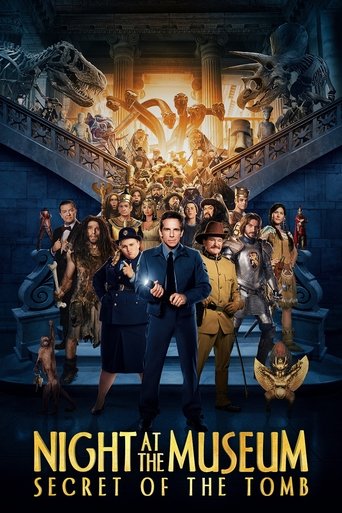
The centre has its landmarks. 84 Charing Cross Road is named after a bookshop's address. A Royal Night Out begins at the palace gates on the night of victory in 1945, Misbehaviour is set at the Royal Albert Hall during the Miss World contest of 1970, and Night at the Museum: Secret of the Tomb brings the exhibits of the British Museum to life after dark. The Good Life is set in the suburbs to the south-west and Motherland at a school gate in the west, and Happy-Go-Lucky cycles all over town. The London line page follows the compass.
The Classic line
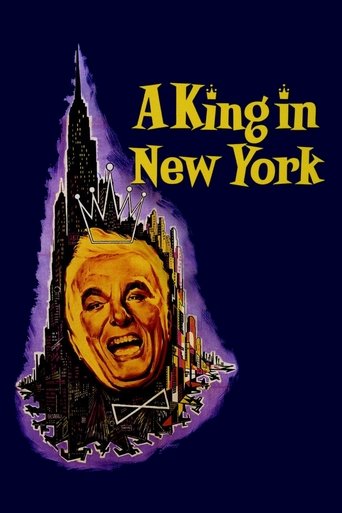
The grey Classic line carries the twenty-five titles made before 1990. It begins in 1945 with I Know Where I'm Going! and takes in two films by great visitors: A King in New York, which Charlie Chaplin made in England in 1957, playing an exiled monarch bewildered by American television, and 2001: A Space Odyssey, which Stanley Kubrick filmed at studios north of London. Rated 8.0, it is the highest-rated film on the map together with The Red Shoes, and at 149 minutes the longest.
The 1960s stops have a holiday air. Those Magnificent Men in Their Flying Machines or How I Flew from London to Paris in 25 Hours 11 Minutes stages an air race of 1910 with a sky full of rebuilt early aeroplanes and a cast of comedians from several countries. Born Free, from 1966, was filmed in Kenya with real lions, and its theme tune won an Academy Award. The 1980s contribute Time Bandits, Terry Gilliam's tale of a boy swept through history by six small thieves with a stolen map; Return to Oz; and Electric Dreams, a romance between a man, his cellist neighbour and a home computer with feelings of its own.
Seven of the classics are television series, and they include some of the most repeated programmes in British broadcasting. The Classic line page sets them out by decade.
From the bookshelf
Forty-six titles began on the page or the stage, a quarter of the whole map. The nineteenth-century novel accounts for many of them, yet the range is wide: Oscar Wilde's The Importance of Being Earnest, filmed with Colin Firth, Rupert Everett and Judi Dench as Lady Bracknell; the E. Nesbit story behind Five Children and It; Mary Norton's The Borrowers; the medieval diary of Catherine Called Birdy, with Bella Ramsey as a fourteen-year-old determined to outwit every suitor her father produces. Modern fiction supplies One Day, About a Boy and The Flatshare, in which two strangers share a bed at different hours of the day and come to know each other through notes. The from books page arranges the shelf.
Dreamers, inventors and eccentrics
If the map has a presiding spirit, it is the British eccentric: the person with one consuming idea and a cheerful disregard for what the neighbours think. The inventor of Chitty Chitty Bang Bang makes sweets that whistle and a machine that cooks breakfast. The chemist of The Man in the White Suit wrecks more than one laboratory on the way to his discovery. The couple of The Good Life plough up a suburban lawn, and the two friends of Detectorists spend years in search of a Saxon hoard and find mostly ring pulls.
The real ones are odder still. Louis Wain drew cats with human expressions until the country fell in love with them. Maurice Flitcroft taught himself golf from a library book and walked on to a championship course. Florence Foster Jenkins, played by Meryl Streep in Florence Foster Jenkins, hired Carnegie Hall to share a singing voice that only she considered beautiful, and the film is wise enough to admire her courage. Kempton Bunton of The Duke campaigned for free television licences for pensioners and ended in the dock of the Old Bailey, where the jury warmed to him at once.
British storytelling treats such people with affection, and that affection is the secret of its comedy. Basil Fawlty and Hyacinth Bucket are monstrous, yet each is plainly doing their desperate best. Del Boy's schemes always collapse, and he always gets up. Mr Bean solves every problem in the most complicated way available. A visitor who rides these lines for long enough will find that the laughter is seldom cruel.
Stops for Christmas
Six titles are set at Christmas, and although they have a small list rather than a line of their own, they are easy to find by typing Christmas in the search field. A Boy Called Christmas, rated 7.3, is the grandest, a snowy adventure about a boy, a reindeer and a talkative mouse on the road to a hidden village of elves, told as a bedtime story by Maggie Smith. Santa Claus: The Movie gives the legend an origin and a toy factory. Nativity! is the school-play comedy that British families return to each December.
The romances are A Castle for Christmas, set in a Scottish village with a knitting circle and a great deal of tartan; Your Christmas or Mine?, in which a couple spend the holiday with each other's families by mistake; and Father Christmas Is Back, with four sisters gathered in a Yorkshire manor. Several sitcoms on the map are also famous for their festive specials, and each series page lists those episodes among the rest with their original dates.
Interchange stations
The most rewarding titles on a transit map are the interchanges, and MovieTube has several that stand on four lines or more. Fever Pitch is a comedy, a romance, a sport story, a London story and a film from a book. The Red Shoes is a drama, a romance, a music film and a classic. 84 Charing Cross Road is a true story, a London story, a classic and a book about books. Brassed Off joins comedy, drama, romance and music.
On television, Only Fools and Horses links the Sitcom, London and Classic lines, and The English Game the Serial, Period and Sport lines. These stops make good starting points, because each one opens several directions at once: finish Fever Pitch and you may go on to another football film, another Nick Hornby adaptation or another evening in north London. The route map on the home page and the related titles at the foot of each page are designed for exactly that kind of wandering.
Recent arrivals
The map is kept up to date, and thirty-six of its titles date from 2020 or later. Among the films, The Duke, The Lost King and The Phantom of the Open form an informal trilogy of true stories about stubborn amateurs, all released within two years. Catherine Called Birdy and Persuasion show a livelier, more modern way with period material. The Beautiful Game and I Used to Be Famous are warm contemporary dramas, and Paddington in Peru and Goodbye June arrived most recently of all.
On television the newer stops include Man vs Bee and Man vs Baby, in which Rowan Atkinson plays a house-sitter whose every job ends in ruins; Geek Girl, about an awkward schoolgirl scouted as a fashion model; Still Up, a comedy about two friends who keep each other company by phone through sleepless nights; and The Other Bennet Sister, which gives the overlooked Mary Bennet a story of her own.
Old and new sit comfortably together here, which is perhaps the most British quality of all. A viewer can watch a Powell and Pressburger film from the 1940s, a sitcom from the 1970s and a streaming comedy from last year in a single weekend, and find the same dry humour, the same fondness for underdogs and the same pleasure in good acting running through all three. The lines on the map are simply a way of making those connections visible, and of pointing towards the next good stop.
Familiar faces
British screen acting draws on a small and brilliant company, and the same faces appear line after line. Hugh Bonneville has the most stops, with eight: Mr Brown in the two Paddington films, the Earl of Grantham in the two Downton films, a harassed executive in W1A, a hapless stockbroker in Notting Hill, and parts in Lost in Austen and Daniel Deronda. Colin Firth, Judi Dench and Sally Hawkins have six each. Firth's range runs from Mr Darcy to an Arsenal supporter; Dench plays a grandmother in Belfast, a guest at the Marigold Hotel and Shakespeare's wife in All Is True; Hawkins is Mrs Brown, a hopeful amateur historian and a golfer's loyal wife.
Rowan Atkinson, Bill Nighy and Maggie Smith each have five, and Jim Broadbent, Toby Jones, Ben Whishaw, Steve Coogan and Chris O'Dowd four. O'Dowd is a good example of how the lines connect: he is the technician Roy in The IT Crowd, the imaginary friend in Moone Boy, a rival dancer in Cuban Fury and a time traveller in a pub.
Among directors, Kenneth Branagh has three films, Cinderella, Belfast and All Is True. Michael Powell, Bill Forsyth, Mike Leigh, Mike Newell, Roger Michell, Stephen Frears, Gurinder Chadha, John Carney and Simon Curtis have two each. Searching for any of these names brings their titles together on one page.
Four nations and a republic
The map covers more than England. Scotland has the two Bill Forsyth comedies, Dear Frankie, The Decoy Bride, the Hebridean romance of 1945, A Castle for Christmas, in which an American novelist buys a draughty castle from a reluctant duke, and the sitcom Still Game. Wales appears in Gavin & Stacey and One Chance, and Northern Ireland in Belfast and Derry Girls.
Ireland contributes the two John Carney films and Moone Boy. The English regions are spread generously: Yorkshire in the two veterinary series, Brassed Off, The Secret Garden and Lassie; Cornwall in Fisherman's Friends; Norfolk and Suffolk in The Go-Between and The Bookshop; Lancashire and Manchester in the northern sitcoms; and the Midlands in Nativity!, set in a Coventry primary school.
The departures board
The Top rated list holds every title with a score of 7.5 or higher, twenty-five in all, and the departures board on the home page shows the first eight. Television leads it. Fawlty Towers stands at 8.3, and five series share 8.2: All Creatures Great & Small, The Storyteller: Greek Myths, Pride and Prejudice, Detectorists and The IT Crowd. North & South, Derry Girls, Only Fools and Horses and Jeeves and Wooster follow at 8.1.
Three titles stand at 8.0, the films 2001: A Space Odyssey and The Red Shoes and the series Mr. Bean. It is a fair picture of where British screen culture has been strongest: the half-hour comedy, the classic serial, and now and then a film that redraws the map.
Planning a journey
A few suggested journeys may help a first-time traveller. For an evening of laughter, take the Sitcom line from Fawlty Towers to The IT Crowd, two or three episodes of each. For a rainy Sunday, ride the Period line through all six episodes of Pride and Prejudice. For a family afternoon, Paddington and then Chitty Chitty Bang Bang. For something to think about, change at The Go-Between for Another Year.
The running times and episode counts on each page make planning easy. The shortest films, An Adventure in Space and Time and Frequently Asked Questions About Time Travel, last 83 minutes. Many of the sitcoms have a dozen episodes or fewer, so a whole series fits into a weekend: Phoenix Nights and I'm Alan Partridge have twelve each, and Whites only six. Save a title to My List as you browse, and the travel card will be waiting on your next visit.
A title page in detail
Every title page follows one layout. The poster, the title, the year and the genres stand at the top, with the summary and two buttons, Watch now and the list button. The Where to watch panel holds the country selector. A table gives the original title, the release date, the language, the country, the studio and the audience rating with its number of votes, and the cast list names each performer and the part played.
A television page adds every series in order and every episode beneath it, with its number, title, date and a line of summary; the page for Only Fools and Horses sets out all seven series in this way. Related titles from the same lines close each page. The search field in the white bar accepts a title, a name or a year, and for a television programme a series and episode number typed after the name.
Questions and answers
Questions
What is MovieTube?
MovieTube is a guide to 120 British and Irish movies made between 1945 and today and 58 TV series with 1,129 episodes. Each title has a page with its cast, summary and rating, and a Watch now button that leads to the official services carrying it.
Why is the site laid out like a transit map?
Because titles of a kind belong together. Each of the twelve coloured lines is a kind of story, such as comedy, period drama or sport, and each title is a stop. A title that fits several kinds stands on several lines.
How do I begin watching?
Open a title page, choose your country in the Where to watch panel and press the blue Watch now button. JustWatch then shows the subscription, rental, purchase and free services that carry the title in that country.
Which titles are rated highest?
Fawlty Towers leads at 8.3, followed by five series at 8.2, among them Pride and Prejudice, Detectorists and The IT Crowd. The highest-rated films are 2001: A Space Odyssey and The Red Shoes at 8.0.
How many sitcoms are listed?
Forty-one, from Fawlty Towers, The Good Life and Open All Hours in the 1970s to Derry Girls, Motherland and Trying in recent years.
Is the catalogue suitable for families?
Every title was chosen by hand for a household audience, and thirty movies stand on the Family line. Each page gives the genres and a summary so that parents can judge a title beforehand.
Which is the oldest title?
I Know Where I'm Going! dates from 1945 and The Red Shoes from 1948. Twenty-five titles were made before 1990 and form the Classic line.
Are Irish titles included?
Yes. Sing Street, Flora and Son and Moone Boy come from Ireland, and Belfast and Derry Girls from Northern Ireland.
What is the travel card called My List?
My List is your saved selection of titles. It stays in the browser on the device in use, refreshes as soon as a title is added or taken off, and can be handed to you as a file from the list page.
Where do the posters and ratings come from?
Posters, ratings, casts, episode lists and production details come from TMDB. The guide on this page and the help pages are written for MovieTube.
